Elate: A Majestic Display Font for Editorial Elegance
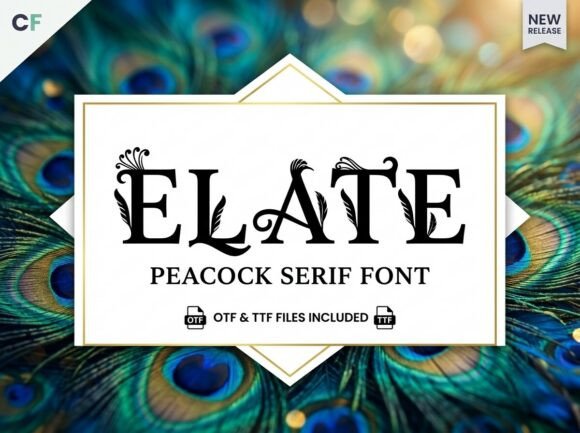
Choosing the right font for a magazine cover can feel like selecting the perfect outfit for a formal event—every detail matters. When I recently redesigned the header for a lifestyle blog, I stumbled upon Elate, a premium display font that masterfully blends classical serif elegance with exquisite plume motifs. Its high-contrast letterforms instantly commanded attention, and its visual rhythm felt just right for a publication aiming to exude sophistication.
Elate for Lifestyle Blog Headers and Editorial Branding
Elate is not just a display font—it’s a statement. The way it balances the grandeur of classical serifs with delicate plume accents makes it ideal for lifestyle blogs, wedding guides, or any editorial project that needs to stand out without sacrificing refinement. When I used Elate for the blog's new header, the contrast between the bold title and the subtle background created a focal point that drew readers in immediately.
The font’s personality leans toward elegance and authority, making it particularly suitable for content that wants to convey confidence and style. It works well with muted tones, but also shines when paired with rich jewel colors, creating a visual harmony that feels both modern and timeless.
Elate in Digital Magazines and Course PDFs
For a digital magazine layout, I tested Elate as the primary typeface for chapter openers and pull quotes. Its majestic presence added a sense of gravitas to each section, reinforcing the editorial mood. Unlike some display fonts that struggle with readability at smaller sizes, Elate maintains clarity even when scaled down slightly, which is crucial for digital publications that must be legible across various screen sizes.
When designing a course PDF for a creative writing workshop, I found that using Elate for titles and section headers helped establish a clear visual hierarchy. Readers could easily navigate through the content, while the font’s distinctive character gave the document a polished, professional look. It’s worth noting that Elate is best suited for titles, subtitles, and decorative accents rather than dense paragraphs or small captions.
Elate and Readability in Print and Web Formats
One of the most reassuring aspects of Elate is how well it translates from screen to print. In my testing, the font performed exceptionally in PDF exports and print materials, where the high-contrast letterforms rendered beautifully on paper. However, for body copy or long-form content, pairing Elate with a more readable serif or sans serif font was essential to maintain accessibility and avoid eye strain.
I often recommend using a clean sans serif like Helvetica Neue or a refined serif such as Garamond for body text when working with Elate. This approach ensures that the design remains visually balanced while preserving the font’s role as an editorial accent.
Elate for Wedding Guides and Premium Content Layouts
In a recent project, I designed a printable wedding guide using Elate for the main title and key sections. The font’s regal appearance complemented the theme perfectly, adding a touch of luxury to the content. Its plume motifs subtly echoed the ornate details often seen in wedding invitations, making it a natural fit for this niche.
For creators looking to elevate their content, Elate offers a unique blend of classic typography and modern flair. Whether you're crafting a recipe ebook, coaching workbook, or editorial feature page, this display font brings a level of sophistication that few others can match. Just be sure to check the included styles, alternates, and licensing terms before using it in commercial projects or downloadable content.
Elate is more than a font—it’s a tool for storytelling. When used thoughtfully, it can transform a simple headline into a memorable moment, and a basic layout into a compelling narrative. If your editorial design needs a touch of royal attention, consider Elate as your go-to display font for moments that demand elegance and impact.