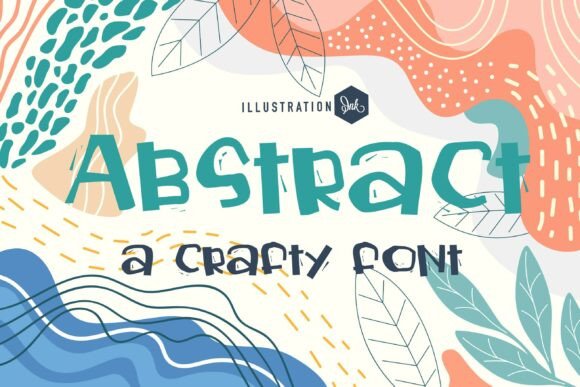
Abstract: A Tactile Display Font for Modern Editorial Design
Abstract for Lifestyle Blog Headers and Trendy Branding
As I sat down to redesign the header for a new lifestyle blog, I knew the right font could make all the difference. The Abstract display typeface caught my eye with its hand-cut letterforms and rhythmic, paper-like texture. It felt like a perfect match for a publication that wanted to blend creativity with a tactile, artisanal feel. This Fonts choice wasn’t just about aesthetics—it was about setting a mood and inviting readers into a world where design matters.
Abstract has a bold, asymmetrical character that feels both modern and handcrafted. Its visual rhythm suggests movement, as if each letterform is cut from a physical sheet of paper. That subtle irregularity adds a layer of authenticity, making it ideal for projects that want to stand out without being overly stylized.
Abstract in Recipe Ebooks and Culinary Guides
I recently worked on a recipe ebook that needed a title that felt both inviting and unique. Using Abstract for the cover and chapter headings brought a fresh energy to the project. The asymmetry of the letters complemented the playful nature of the content while still maintaining a sense of sophistication.
For something like a cookbook or food guide, Display fonts can elevate the editorial experience. Abstract didn’t overpower the content but instead created a visual anchor that guided the reader’s eye through each section. Pairing it with a clean sans serif font for body copy ensured readability while keeping the design cohesive.
The Fonts used in this case weren’t just decorative—they were functional. They helped establish a clear hierarchy, allowing the reader to navigate the book with ease. And the tactile quality of Abstract made the digital version feel almost like a printed booklet, which is exactly what the publisher wanted.
Abstract for Wedding Invitations and Event Branding
When designing a wedding invitation, every detail matters. I chose Abstract for the main text because of its elegant yet edgy appeal. It gave the invitation a touch of individuality that matched the couple’s personality. The paper-like texture of the font added a softness that balanced the boldness of the letterforms.
This Display typeface is especially well-suited for event branding. Whether it's a wedding, festival, or corporate gala, Abstract brings a unique flair that stands apart from generic script or serif fonts. It’s not too formal, not too casual—just right for moments that deserve to be remembered.
Using Fonts like Abstract allows designers to create visuals that resonate emotionally with their audience. In this case, the font helped convey the warmth and creativity of the event, making the invitation more than just a piece of paper—it became an experience.
Abstract in Coaching Workbooks and Educational Materials
In another project, I was tasked with creating a coaching workbook that would inspire action and reflection. The challenge was to find a font that felt motivating yet approachable. Abstract fit perfectly. Its rhythmic structure lent itself to chapter titles and section headers, giving the workbook a dynamic flow.
What makes Display fonts like Abstract so valuable in educational materials is their ability to draw attention without distracting from the content. When paired with a readable serif font for body text, the result is a layout that supports learning and engagement.
Choosing Fonts with a distinct personality helps reinforce the tone of the material. Abstract brought a sense of energy and movement to the workbook, aligning with the goal of encouraging personal growth and transformation.
Abstract for Digital Magazines and Newsletter Graphics
Designing a digital magazine requires careful consideration of how text will appear across different devices. I tested Abstract for headlines and pull quotes and found that its bold, asymmetrical forms held up well on both desktop and mobile screens. The font maintained its visual impact without becoming difficult to read.
For newsletter graphics, Abstract offered a way to add visual interest without overwhelming the reader. Used sparingly, it highlighted key messages and created a focal point that drew the eye. As a Display font, it worked best in short bursts—perfect for headlines, feature titles, and callout boxes.
When using Fonts in digital formats, it's important to consider how they render across platforms. Abstract performed well in PDF exports and web-based layouts, ensuring that the design remained consistent whether viewed on a phone or a tablet.
Abstract for Printable Planners and Organizational Tools
Printable planners often need a balance between functionality and style. I experimented with Abstract for section headers and monthly calendars, and the results were impressive. The font added a modern edge that appealed to users looking for something both practical and visually appealing.
Its Display qualities made it ideal for section titles and motivational quotes, while a complementary sans serif font handled the daily entries and notes. This combination kept the planner organized yet expressive, making it easier for users to engage with their schedules.
Using Fonts like Abstract in printable tools shows how typography can influence user behavior. By choosing a font that reflects the purpose of the tool, you can enhance the overall experience and encourage regular use.