Pedio: A Display Font for Bold Digital Branding
Pedio for Hero Sections and Brand-Centric Web Design
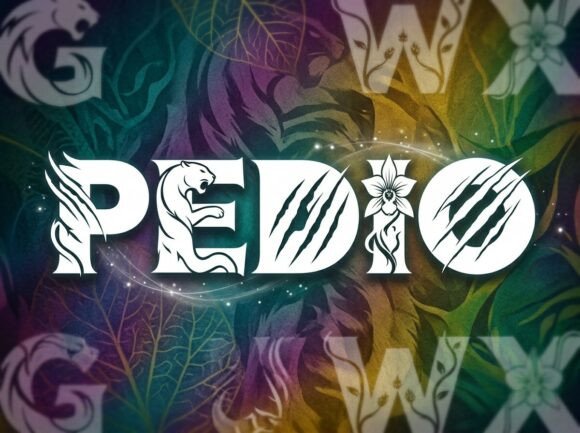
Pedio is a display font that commands attention with its unique artistic elements and strong visual personality. As a web designer, I’ve found it particularly effective for hero sections where the goal is to create an immediate emotional connection with visitors. The bold curves and distinctive letterforms of Pedio make it ideal for headlines that need to stand out without overwhelming the rest of the layout.
When used in brand-centric web design, Pedio helps reinforce a sense of creativity and originality. Whether you're launching a new SaaS product or redesigning an online store, this font can serve as a powerful visual anchor that aligns with your brand's tone and identity.
Pedio for Landing Pages and Conversion-Focused Typography
Pedio’s decorative flair makes it a great choice for landing pages that aim to capture attention quickly. When paired with clean, readable body text—such as a modern sans serif font—it creates a balanced visual hierarchy that guides users toward key conversion points like sign-up forms or call-to-action buttons.
I’ve tested Pedio on several landing pages and noticed that it increases user engagement when used sparingly. It works best for short, impactful phrases such as "Start Your Journey" or "Join the Community." This approach ensures that the font supports the message rather than distracting from it.
Pedio for Online Store Banners and Product Highlights
For e-commerce platforms, Pedio brings a touch of elegance to product banners and promotional content. Its strong visual personality adds a layer of sophistication that can elevate the overall look of an online store. I've seen it work especially well on boutique websites where the brand image is closely tied to aesthetics and exclusivity.
Using Pedio in combination with high-quality product images and minimalist layouts allows the font to shine while keeping the focus on the products themselves. It’s also worth noting that Pedio maintains good readability even at smaller sizes, which is crucial for mobile responsiveness and cross-device compatibility.
Pedio for Blog Headers and Editorial Content
If you're running a blog or editorial platform, Pedio can help set the tone for your content. Its artistic elements give a creative edge to article headers and section titles, making them more engaging for readers. For instance, using Pedio on a blog header titled "Design Trends 2025" instantly communicates a sense of innovation and style.
However, it’s important to pair Pedio with a complementary font for body copy. A simple sans serif or serif font ensures that the content remains easy to read while maintaining the visual interest introduced by Pedio.
Pedio for Portfolio Sites and Creative Showcases
Creative professionals, such as designers, illustrators, and photographers, often use portfolio sites to showcase their work. Pedio is an excellent choice for these types of projects because it reflects the personality and artistry of the creator. It works particularly well for project titles, client names, and taglines that need to make a lasting impression.
On a portfolio site, I recommend using Pedio for primary headings and reserving simpler fonts for descriptions and footers. This contrast helps maintain a clean and professional appearance while still allowing the font to play a central role in the design.
Pedio for Digital Ads and Social Media Graphics
In digital advertising and social media, first impressions are everything. Pedio’s eye-catching design makes it perfect for headlines in ads and captions on social media posts. Its ability to draw attention quickly can be a game-changer for campaigns targeting creative audiences or niche markets.
When designing for these platforms, consider how Pedio interacts with background colors and images. Testing different color contrasts and overlays will ensure that the font remains legible and visually appealing across various formats and screen sizes.
Pedio for Course Pages and Educational Platforms
Educational websites and course pages benefit from clear and engaging typography. Pedio can add a touch of inspiration and motivation to course titles and module headers, making the learning experience feel more dynamic and personalized. It's especially useful for branding educational platforms that emphasize creativity, art, or design thinking.
To maintain readability, it’s essential to limit the use of Pedio to key headings and avoid overusing it in long-form content. Pairing it with a highly readable font for instructional text ensures that the focus remains on the content itself.
Pedio for Brand Identity and Logo Design
As part of a brand identity system, Pedio can be used to create memorable logos and visual assets that reflect the brand's character. Its unique letterforms and strong visual presence make it suitable for logos that need to stand out in a crowded market. However, it’s important to ensure that the font complements the overall brand aesthetic and doesn’t become too ornate for practical applications like business cards or website navigation menus.
Before finalizing a logo, always test Pedio in different contexts and sizes to ensure it remains versatile and scalable. A well-designed brand identity should feel consistent across all touchpoints, from digital interfaces to printed materials.