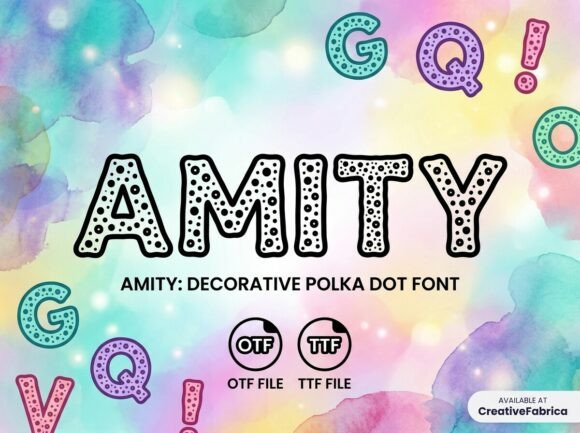
Amity: A Cheerful Display Typeface for Creative Projects
I was staring at a blank brand board the other day, trying to find that perfect font that would bring warmth and personality to a new client’s project. The business was a cozy, locally-owned café with a focus on community and comfort. I needed something that felt welcoming, approachable, and just a little bit playful. That’s when I stumbled upon Amity, a cheerful display typeface that captures a whimsical-and-welcoming soul. This font features bold, rounded sans-serif letterforms uniquely characterized by their friendly curves and expressive weight.
Amity in Logo Design for a Cozy Café
The first thing I did was test Amity on a logo draft. I wanted the name of the café—“Hearth & Bean”—to feel like a warm greeting rather than a simple label. Using Amity as the main typeface, the logo immediately felt more inviting. Its bold, rounded sans-serif letterforms gave it a modern yet comforting vibe, which perfectly matched the café’s brand identity. I found that Amity worked best as a display font here, standing out against minimalist background designs while still maintaining readability.
How Amity Complements Café Branding
When paired with a clean serif font for supporting text, Amity helped create a balanced visual hierarchy. The contrast between the two fonts made menus, signage, and social media posts look polished yet approachable. I noticed how well Amity looked on shop signs and even on small details like coffee cup labels—its character didn’t feel too over-the-top, but it added just the right amount of charm.
Amity for Packaging Design and Product Labels
Next, I moved on to packaging design. The café sells custom-made mugs, teas, and local honey jars. For the product labels, I used Amity again, this time in a lighter weight to keep the branding consistent across different materials. The rounded edges of the letters made the labels feel handcrafted, almost like they were designed with care. It was fascinating to see how Amity could transition from a bold headline font on a menu to a softer, more delicate style on a jar label.
Testing Amity on Different Surfaces
I tested Amity on both digital mockups and printed samples. On screen, the font maintained its crispness and clarity, especially when used in website headers or Instagram posts. In print, the rounded sans-serif letterforms held up well on paper and even on matte finishes. It wasn’t until I saw the final packaging that I realized how much Amity contributed to the overall mood of the brand—it felt personal, not generic.
Amity in Social Media Graphics and Website Headers
For the café’s social media presence, I experimented with using Amity in headlines and captions. The font’s cheerful tone translated well into promotional posts about new menu items or events. I found that pairing Amity with a complementary script font for accents added a nice touch of elegance without overpowering the message.
On the website header, I used Amity as the primary font for the navigation bar and hero section. The bold, rounded sans-serif letterforms stood out beautifully against a neutral background. Readers immediately felt welcomed, which aligned perfectly with the café’s mission to be a place where people could relax and connect.
Font Pairing Tips with Amity
If you’re considering using Amity in your next project, I recommend pairing it with a serif font for body text or a modern sans-serif for secondary headings. This helps maintain balance and ensures that the visual hierarchy is clear. Also, don’t forget to check if the font supports the necessary languages and weights, especially if your brand operates globally or includes multilingual content.
Amity for Brand Consistency and Audience Engagement
One of the biggest advantages of using Amity in this project was the level of consistency it brought to the entire brand system. From logos to packaging to digital assets, every piece felt cohesive and intentional. This kind of visual unity is crucial for building brand recognition and trust with the audience.
More importantly, Amity helped convey the right emotional tone. It wasn’t just a font; it became a part of the café’s voice. People who saw the branding responded positively, saying it felt warm and authentic. That’s the power of choosing the right Amity—it can shape perception and influence engagement in subtle yet meaningful ways.
Practical Advice for Using Amity in Client Work
If you're working with a client, I suggest testing Amity early in the design process. Use it on mockups of key brand elements like logos, packaging, and marketing materials. Get feedback from stakeholders to ensure the font aligns with their vision. Also, consider licensing requirements if you plan to use it in commercial projects or distribute it as part of a design asset package.
Remember, Amity works best when it’s used intentionally. It’s not meant to be an all-purpose font, but rather a display Fonts that adds personality and character to specific design elements. When used correctly, it can elevate any creative project and leave a lasting impression on the audience.